Importing — Introduction
A comprehensive overview of importing Japanese Kei vehicles to the United States.
Japan has been one of the leading countries in the automotive industry, producing high-quality cars that have dominated the U.S. auto market for many years. The demand for Japanese vehicles is driven by their dependability, modern design, and fuel efficiency. However, the process of importing these vehicles from Japan to the U.S. can be complex and requires a number of specific steps.
Imported vehicles must conform to the Department of Transportation (DOT) and Environmental Protection Agency (EPA) standards in order to be legally imported into the U.S. Before importing, you must verify that the vehicle is in compliance with U.S. safety and emissions standards and check for any potential safety recalls.
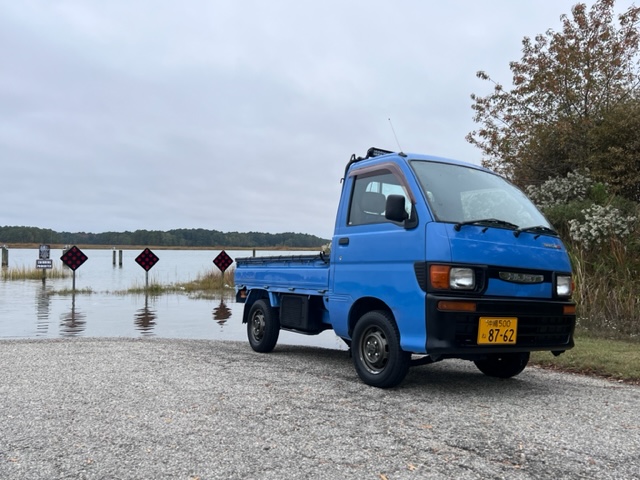
Step 1: Confirm DOT/EPA Eligibility
Before importing a car from Japan, confirm it meets DOT and EPA requirements. The 25-year rule is the most common pathway — vehicles that are at least 25 years old are exempt from DOT Federal Motor Vehicle Safety Standards (FMVSS) and can be imported without modification.
- DOT 25-Year Rule: Vehicles 25+ years old are exempt from FMVSS compliance
- EPA 21-Year Rule: Vehicles 21+ years old are exempt from EPA emission standards
- Show or Display: Special exemption for rare vehicles of historical significance
Step 2: Arrange Shipping & Logistics
Once eligibility is confirmed, identify your responsibilities for shipment and import. This includes coordinating transportation details, obtaining insurance coverage, and paying all applicable fees and taxes. Work with a reliable and experienced freight forwarder who can assist with the logistics of the shipping process.
Common shipping methods include RoRo (Roll-on/Roll-off) and container shipping. RoRo is typically less expensive, while container shipping offers more protection for your vehicle.
Step 3: Required Documentation
Before the vehicle can be imported, you will need to obtain and complete:
These documents must be completed accurately and submitted to U.S. Customs and Border Protection (CBP) upon entry. Any errors or omissions can result in delays or seizure of the vehicle.
Step 4: Port Processing
After the vehicle arrives at port, it will go through CBP inspection. Some ports have dedicated automotive processing facilities. Be prepared for the inspection and have all documentation ready. You may also need to work with a licensed customs broker.
Step 5: State Registration
After clearing federal customs, you'll need to register the vehicle in your state. Requirements vary by state — some states require additional safety inspections, emissions testing, or modified titles for imported vehicles. Check with your state DMV before the vehicle arrives.